
Keragon Integration
Create healthcare automations with Keragon for Atlas
Overview
This guide explains how to create automations with Keragon for Atlas.
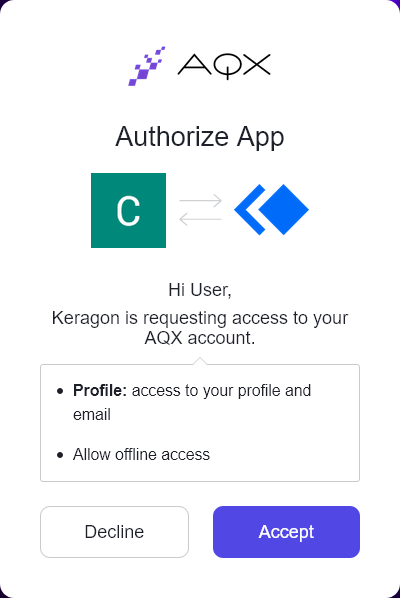
For any trigger or action you’ll have to log in to your Atlas account in Keragon and authorize the app.
Available Triggers and Actions
Triggers
Call State Changed
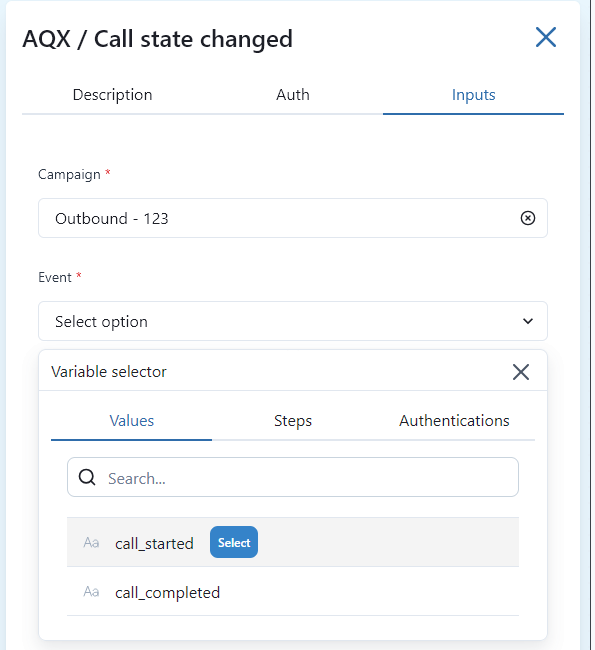
This unified trigger activates when a call changes state in Atlas. When configuring, you must select:
- Campaign (choose from available Atlas campaigns)
- Event (select one of two options):
call_started: Triggers when a new call beginscall_completed: Triggers when a call ends
Output Data for call_started event:
- Campaign Id
- Agent Id
- Call Id
- Customer Number
- Customer Name
- Campaign Name
- Agent Name
Output Data for call_completed event:
- Campaign Id
- Agent Id
- Call Id
- Customer Number
- Customer Name
- Campaign Name
- Agent Name
- Campaign Type (outbound | inbound | voice-bubble)
- Call Summary
- Ended At
- Started At
- Duration Ms
- Duration Seconds
- Duration Minutes
Use Cases:
- Record call details to external systems
- Send notifications based on call states
- Store call data in databases
- Trigger follow-up workflows based on call outcomes
Actions
Start Call
Initiates an outbound call from an Atlas campaign.
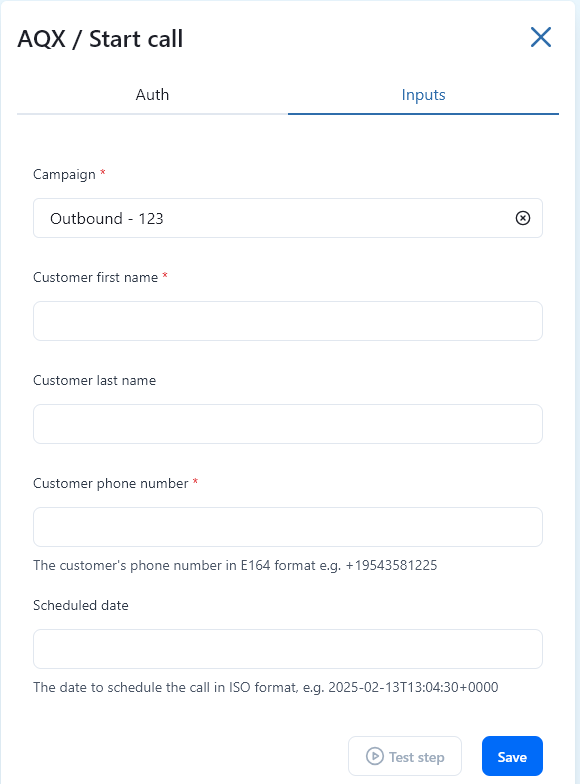
Required Parameters:
- Campaign (select from available Atlas campaigns)
- Phone Number (target number to call)
- Customer First Name
- Customer Last Name
- Scheduled Date (optional - if not provided, call starts immediately)
Use Cases:
- Schedule follow-up calls based on form submissions
- Initiate calls when specific events occur
- Set up automated call sequences
Creating Basic Automations
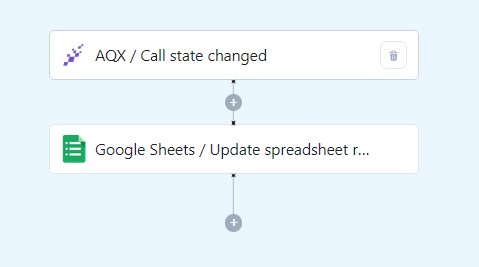
Example 1: Log Completed Calls to External Database
- Start a new automation in Keragon
- Add the “Call State Changed” trigger for Atlas
- Select the target campaign
- Choose
call_completedas the event - Add a database connector action
- Map the call data fields to your database columns
- Save and activate the automation
Example 2: Trigger Follow-up Call After Form Submission
- Start with a form submission trigger
- Add the “Call A Number” Atlas action
- Map form fields to call parameters (name, phone number)
- Set scheduling options if needed
- Save and activate the automation
Example 3: Send Notification When Call Starts
- Add the “Call State Changed” Atlas trigger
- Select the relevant campaign
- Choose
call_startedas the event - Add a notification action (email, messaging service, etc.)
- Create a message template using call data (Campaign Name, Customer Name)
- Save and activate the automation
Best Practices
- Test your automations thoroughly before activating them
- Use filters to process only relevant calls
- Consider adding error handling paths
For more advanced workflows, consider combining multiple triggers and actions or incorporating data transformation steps between modules.